
By CareMotion · Cardiopulmonary Rehabilitation
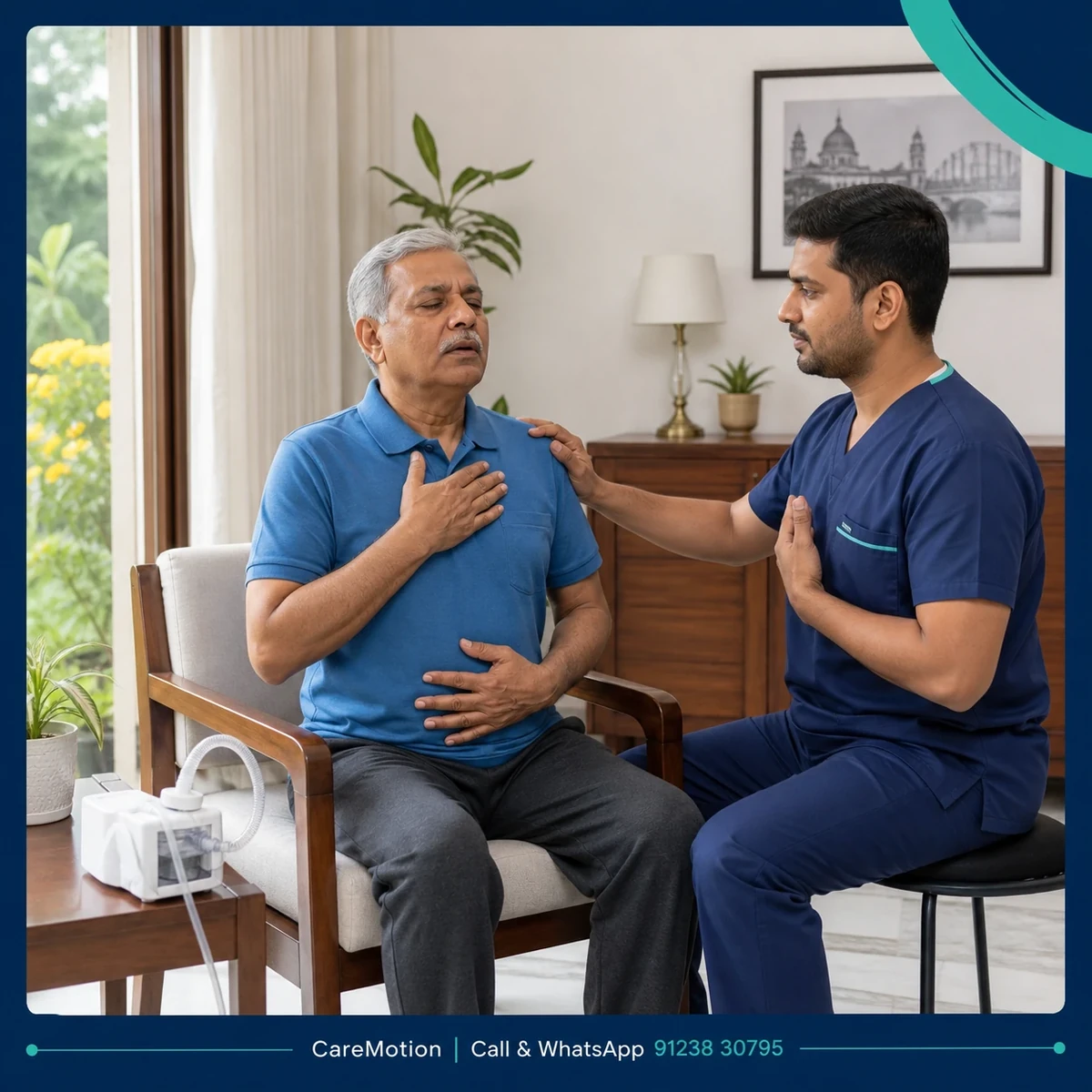
Why General Anesthesia and Surgical Incisions Impact Lungs
Major upper abdominal and thoracic surgeries (such as laparotomy, cardiac bypass, or gastrointestinal resections) represent major insults to the respiratory system. General anesthesia, muscle relaxants, and mechanical ventilation cause micro-atelectasis (collapse of small lung bases) in over 90% of surgical patients.
Furthermore, postoperative incision pain inhibits deep breathing and suppresses coughing, causing stagnant secretions to accumulate in lung bases, leading to postoperative pulmonary complications (PPC) like pneumonia.
- Anesthesia suppresses normal mucociliary escalator clearance for up to 48 hours.
- Abdominal incisions make deep inspiration painful, causing shallow rapid breathing.
- Pre-operative training reduces postoperative pneumonia rates by more than 50%.
The Pre-Hab Respiratory Training Protocol
Learning respiratory exercises BEFORE surgery is vastly superior to trying to learn while groggy, nauseous, and in pain after surgery. In the 1 to 2 weeks preceding an operation, patients practice incentive spirometry and thoracic expansion.
Crucially, patients are taught 'wound-supported coughing' (splinted coughing): hugging a firm pillow tightly against the abdomen to support the surgical wound during an intentional cough, minimizing pain and protecting sutures.
- Incentive spirometry mastery: Achieving consistent target volumetric milestones twice daily before admission.
- Splinted coughing technique: Hugging a dense pillow firmly over the abdomen while performing two short huffs.
- Inspiratory muscle training (IMT) using resistance threshold devices to build diaphragm power.
Arranging Pre-Surgical Home Sessions in Kolkata
A short course of pre-operative physiotherapy prepares older adults and smokers for smoother postoperative recoveries, earlier hospital discharge, and reduced ICU stays in Kolkata hospitals.
CareMotion physiotherapists visit homes across Kolkata to provide pre-op chest training, assess home mobility barriers, and establish baseline respiratory values.
- Practice in-bed leg exercises (ankle pumps, quad sets) to prepare for post-op DVT prevention.
- Stop smoking at least 4 to 8 weeks before surgery to allow bronchial cilia regeneration.
- Ensure a firm pillow and incentive spirometer are packed in your hospital admission bag.
General information to help you plan a visit. Individual assessment and your treating team's advice guide rehabilitation decisions.