
By CareMotion · Modalities & Technology
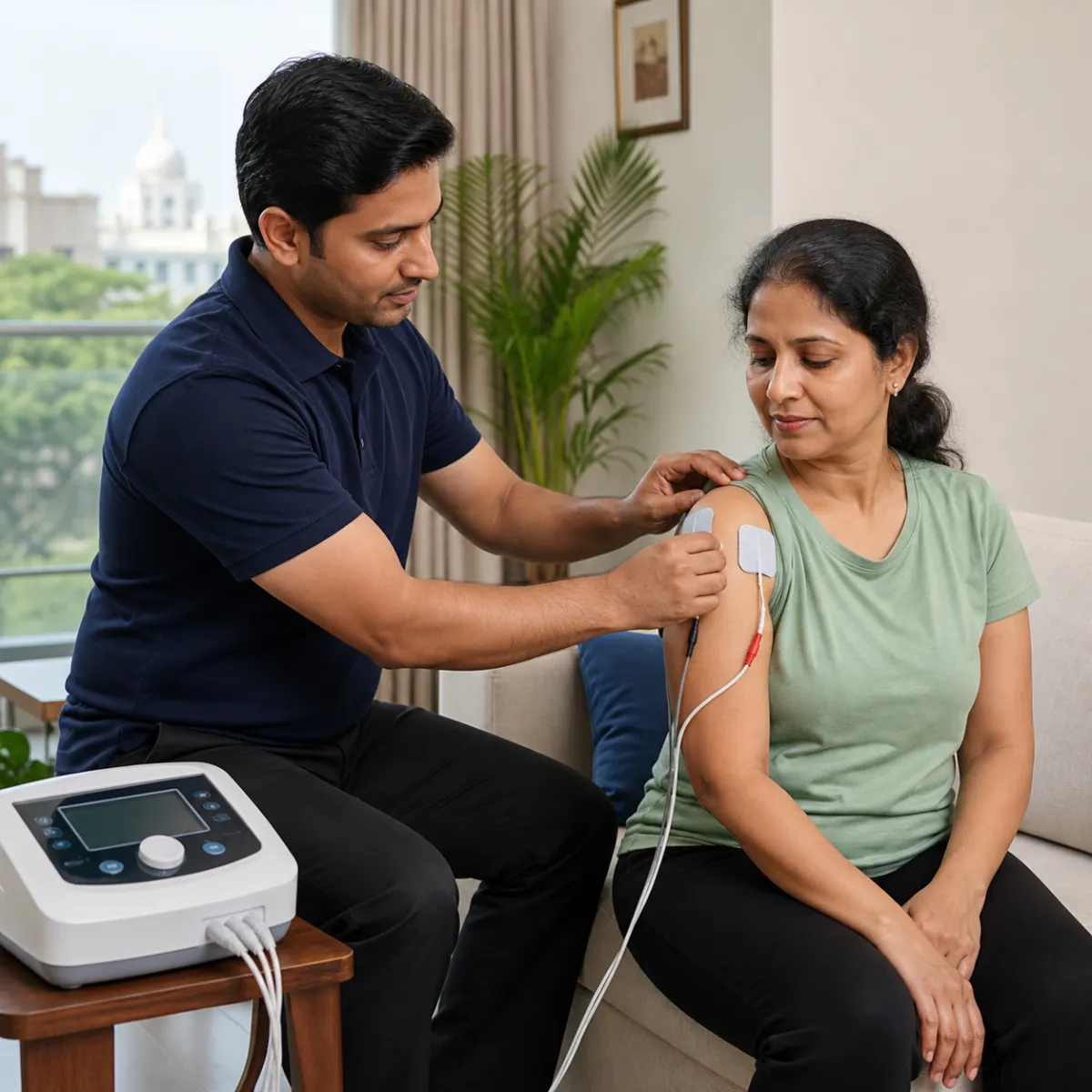
Demystifying Electrical Modalities in Physiotherapy
Walking into a physical therapy clinic or having a home therapist bring equipment can feel overwhelming with all the dials, wires, and frequencies. Patients frequently ask: 'What do all these different machines do?'
Different electrotherapy modalities utilize distinct electrical waveforms, carrier frequencies, and physiological mechanisms to achieve specific clinical outcomes: pain gating, deep heating, muscle re-education, or edema drainage.
- TENS (Transcutaneous Electrical Nerve Stimulation): Low-frequency sensory nerve blocker for surface pain.
- IFT (Interferential Therapy): Dual medium-frequency intersecting currents for deep joint and muscle spasms.
- UST (Therapeutic Ultrasound): High-frequency acoustic sound waves (not electricity) for deep tissue healing and scar softening.
- EMS / NMES (Electrical Muscle Stimulation): Motor nerve stimulator that physically contracts and strengthens paralyzed or inhibited muscles.
Side-by-Side Comparison: Indications and Sensations
Choosing the correct modality depends on tissue depth, acute vs chronic stage, and clinical goals. A clinician selects parameters based on evidence rather than random trial and error.
- TENS: Felt as a surface buzzing or prickling. Best for acute neck strains, superficial knee pain, and post-op wound pain.
- IFT: Felt as a smooth, deep, rhythmic tingling or gentle pulsing. Best for lumbar disc spasms, sciatica, and deep hip arthritis.
- Ultrasound: Produces zero sensation or a very mild soothing warmth. Best for chronic tendonitis, ligament sprains, and stiff scar tissue.
- EMS / Russian Current: Produces visible, rhythmic muscle contractions. Best for quad reactivation after knee surgery or facial palsy.
Safety Precautions and In-Home Application Across Kolkata
While electrotherapy is safe when administered by a university-qualified physiotherapist, absolute contraindications exist: cardiac pacemakers, active malignant tumors, deep vein thrombosis, and pregnancy over the abdomen or lower back.
CareMotion clinicians bring certified, calibrated portable electrotherapy units to homes across Kolkata, integrating modalities into a comprehensive active exercise program.
- Always report if a current feels sharp, burning, or painful rather than pleasant tingling.
- Never apply electrical electrodes over the front of the neck or directly across the heart.
- Remember that machines facilitate recovery, but active movement and strengthening provide lasting cures.
General information to help you plan a visit. Individual assessment and your treating team's advice guide rehabilitation decisions.