
By CareMotion · Consumer Health Advice
The Rise of Consumer Massage Devices and Massage Guns
In recent years, handheld percussive massagers, neck kneading pillows, and consumer vibration wands (such as Dr Physio brand devices) have become popular household items across India. While these devices can offer soothing surface vibration after long workdays, they are wellness gadgets, not medical diagnostic devices.
Using a vibrating gun on a painful joint or muscle without knowing the underlying medical pathology can be dangerous. For instance, aggressive percussion on an inflamed bursa, acute disc tear, or deep vein clot can cause severe complications.
- Consumer massagers provide non-specific superficial vibration and temporary blood flow sensation.
- They cannot identify nerve impingements, ligament tears, or spinal joint instability.
- Self-treating undiagnosed pain can delay critical medical and surgical management.
When Handheld Massagers are Dangerous or Contraindicated
Vibrating massagers must never be applied directly over bony prominences, the anterior neck (carotid artery), the spine directly over herniated discs, or the back of the calf where deep vein thrombosis (DVT) could dislodge as a pulmonary embolism.
In older adults with osteoporosis, vigorous percussive massage guns can cause rib fractures, micro-trauma, or extensive bruising due to delicate skin and fragile capillaries.
- Absolute contraindication over broken skin, varicose veins, and suspected fractures.
- Dangerous on acute swollen joints, sprains within 48 hours, or radiating nerve pain.
- Unsafe over abdomen, chest, or implanted pacemakers and defibrillators.
Why an Objective Assessment by a Licensed PT is Essential
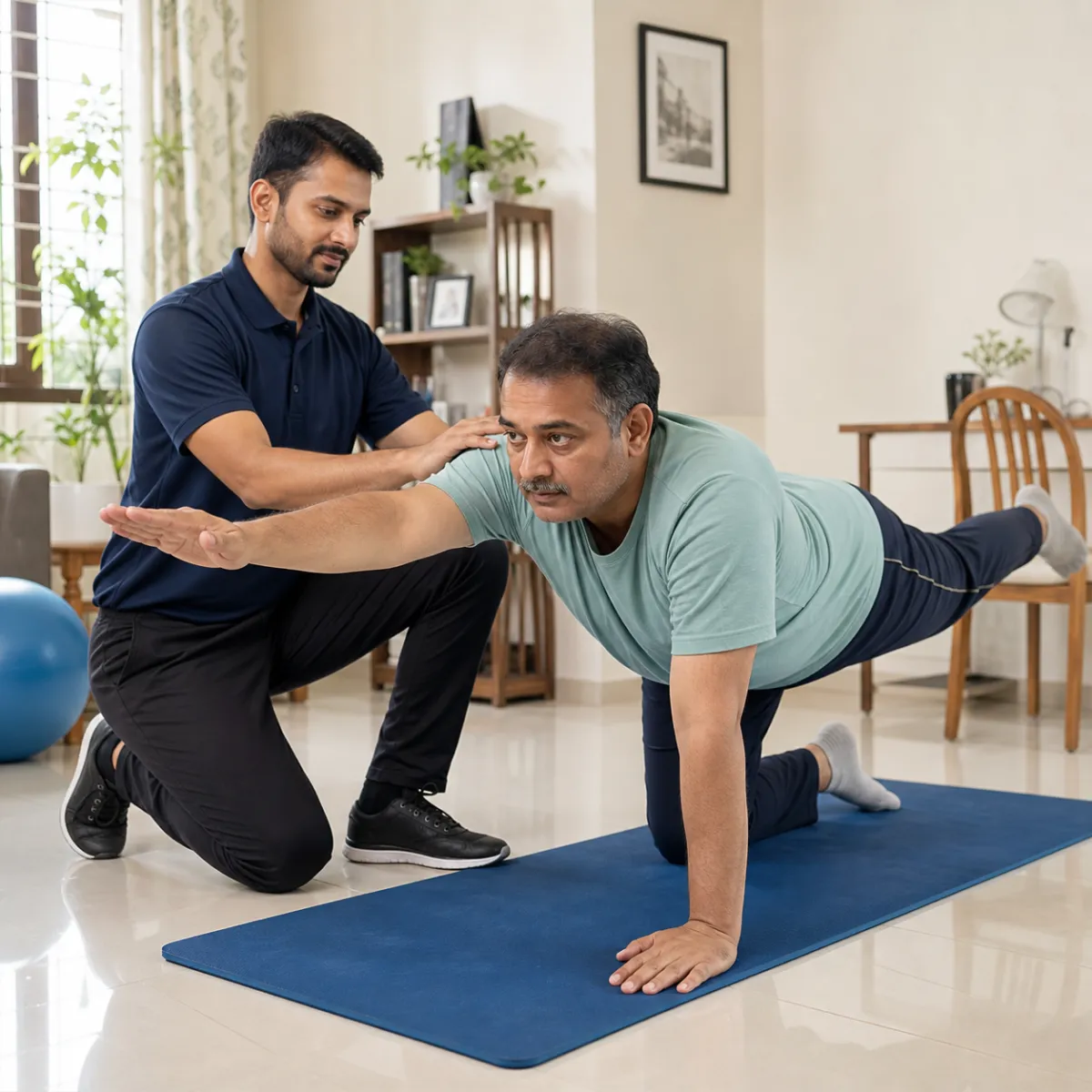
A licensed physiotherapist begins with differential clinical diagnosis: distinguishing whether your leg pain is stemming from a local hamstring tear or radiating from an L4-L5 lumbar nerve root compression. Treatment addresses the causal mechanical fault rather than vibrating the symptom.
If you enjoy using a gentle home massage device, ask your CareMotion physiotherapist during your initial assessment to demonstrate safe locations, appropriate pressure settings, and safe usage durations.
- Clinical assessment pinpoints the true anatomical generator of pain.
- Exercise protocols strengthen stabilizing muscles so pain does not return.
- Safe guidance on whether complementary self-care devices are suitable for your condition.
General information to help you plan a visit. Individual assessment and your treating team's advice guide rehabilitation decisions.