
By CareMotion · Modalities & Technology
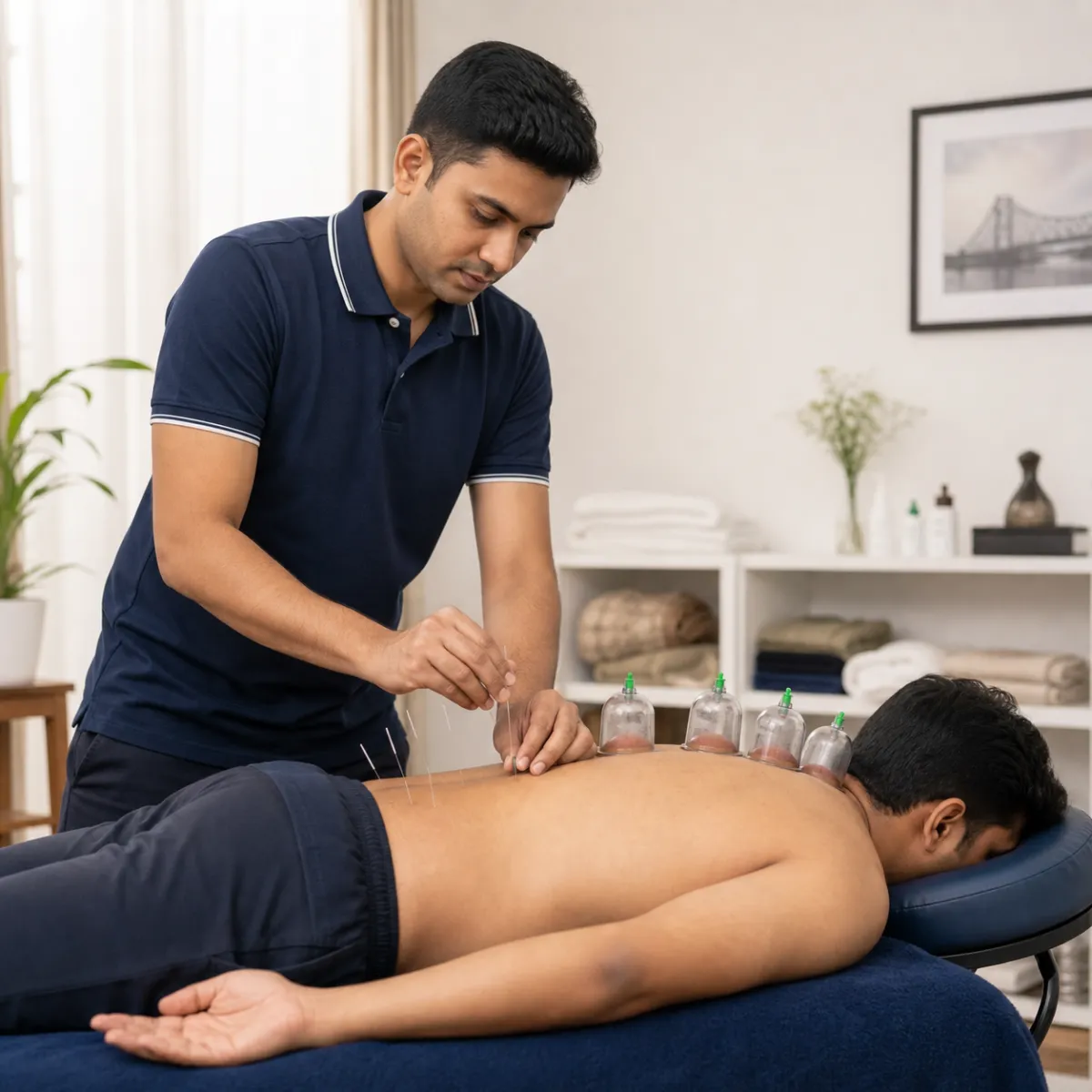
The Mechanism of Negative Pressure Vacuum (Myofascial Decompression)
Most manual therapy techniques (massage, foam rolling, joint mobilization) apply positive compressive force, pushing down into tissues. Cupping therapy is unique because it applies negative tensile pressure, using specialized medical cups and vacuum pumps to pull skin, fascia, and superficial muscle layers upward.
This negative pressure suction lifts stuck layers of connective tissue (fascia), creating microscopic space between muscle sheaths, enhancing microvascular perfusion, and stimulating lymphatic drainage.
- Static cupping: Placing cups over specific trigger points for 5 to 10 minutes to decompress tight tissues.
- Dynamic (gliding) cupping: Applying massage oil and sliding suctioned cups along muscle fibers for deep myofascial release.
- Flash cupping: Rapid repeated suction and release to stimulate cutaneous circulation without leaving deep marks.
What Do the Circular Marks Mean? Dispel the Bruise Myth
The circular discolored marks left on the skin after cupping therapy are often mistaken for painful traumatic bruises. However, unlike a blunt-force trauma bruise (which involves broken muscle fibers and tissue tearing), cupping marks are harmless subcutaneous ecchymoses.
The suction draws stagnant capillary blood, cellular debris, and inflammatory toxins from deep ischemic tissues up toward the superficial cutaneous lymphatic network where macrophages process and clear them over 3 to 7 days.
- Dark purple/red marks indicate areas of high stagnation, poor circulation, or chronic muscle guarding.
- Light pink marks indicate healthy, well-oxygenated tissue with good microvascular flow.
- The circular marks are painless or mildly tender, fading naturally within a week.
Clinical Applications and Home Care in Kolkata
In modern physiotherapy, cupping is used for chronic back stiffness, runner's IT band tightness, upper trapezius neck knots, and sports recovery. It is contraindicated over active infections, open wounds, deep vein thrombosis, or in patients taking blood thinners.
CareMotion clinicians provide clean, clinical dry cupping directly at your residence across Kolkata, pairing it with functional active stretching for lasting relief.
- Avoid taking cold showers or standing under direct air conditioner drafts immediately after cupping.
- Drink plenty of water to assist the lymphatic system in processing mobilized metabolic waste.
- Integrate gentle active range of motion movements while tissues remain warmed and pliable.
General information to help you plan a visit. Individual assessment and your treating team's advice guide rehabilitation decisions.